
Craniocorpography. Objective whole-body quantification of gait, turning, and standing-balance manoeuvres.

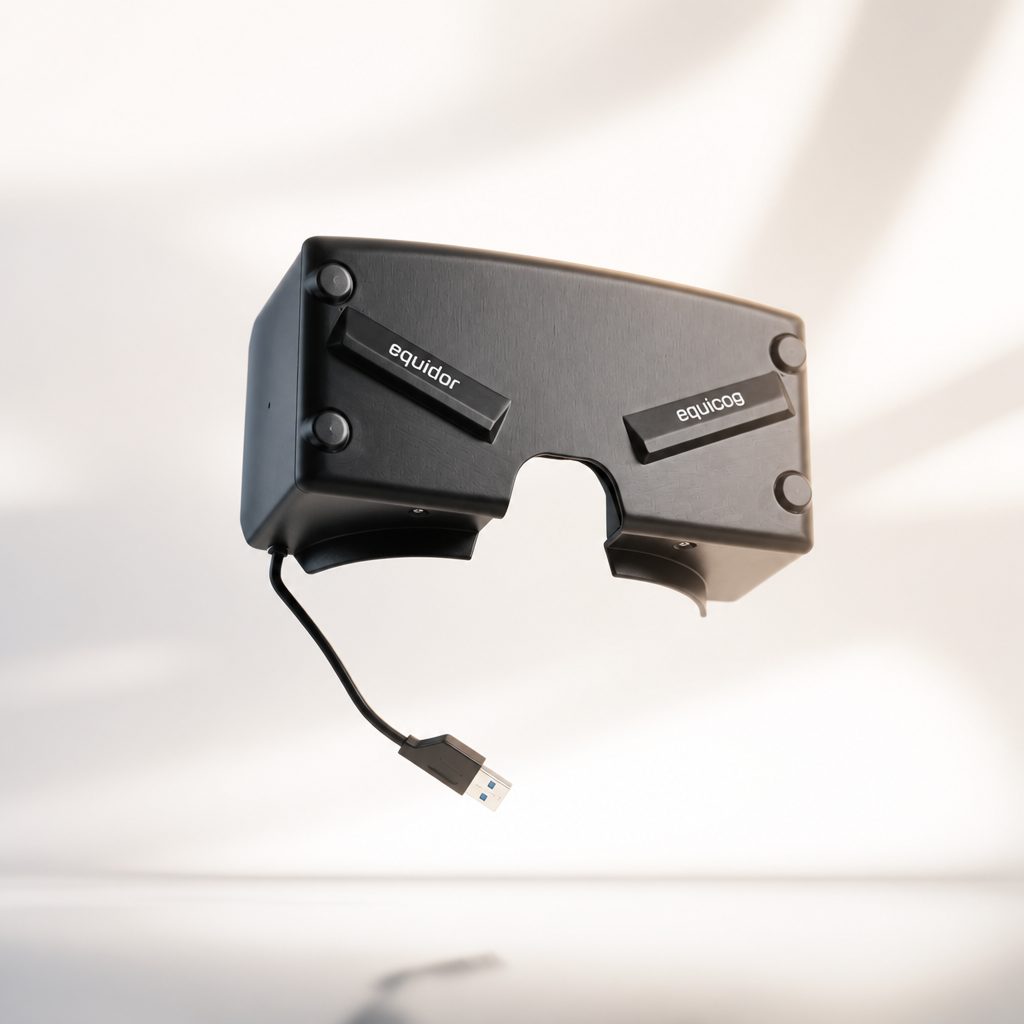
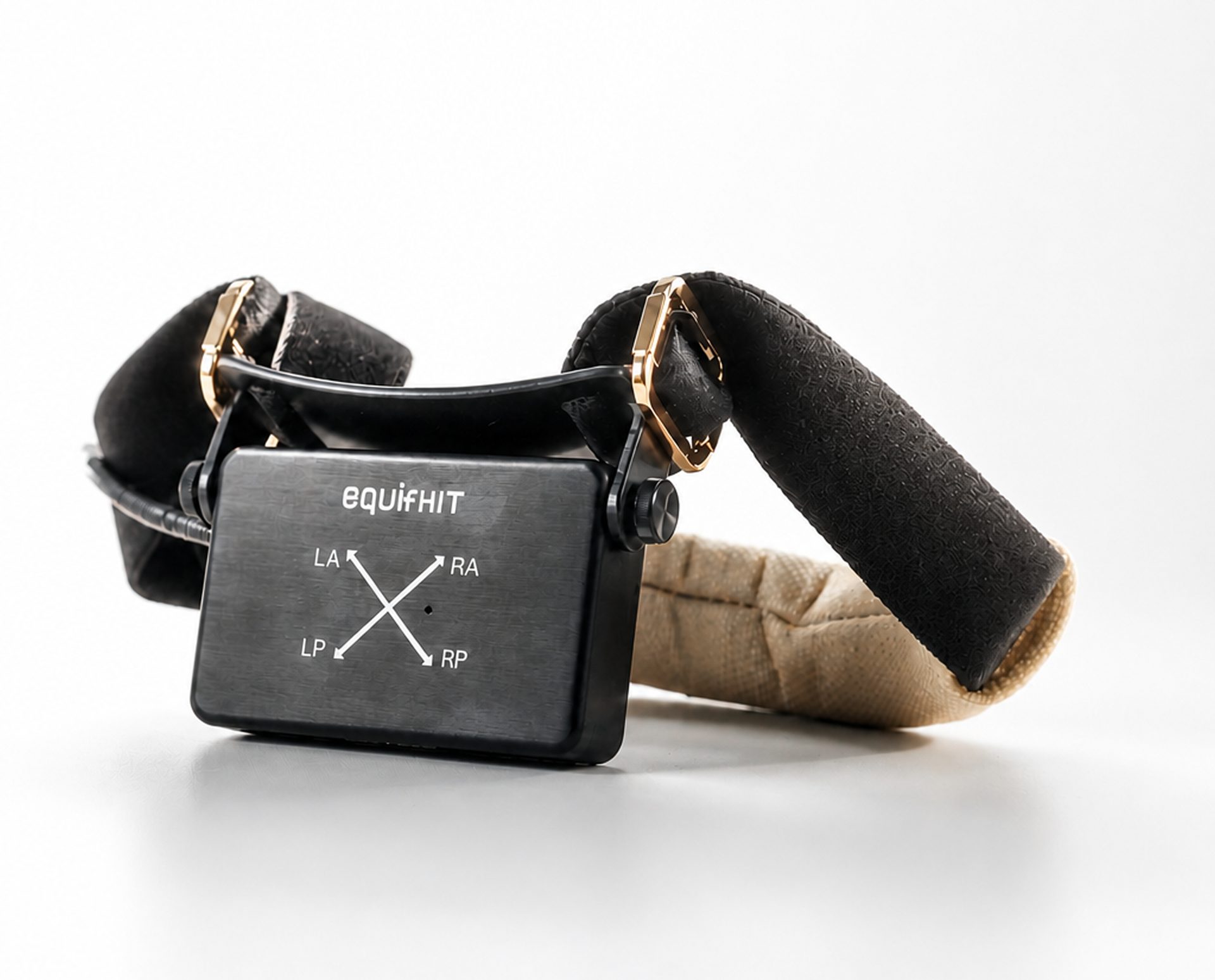
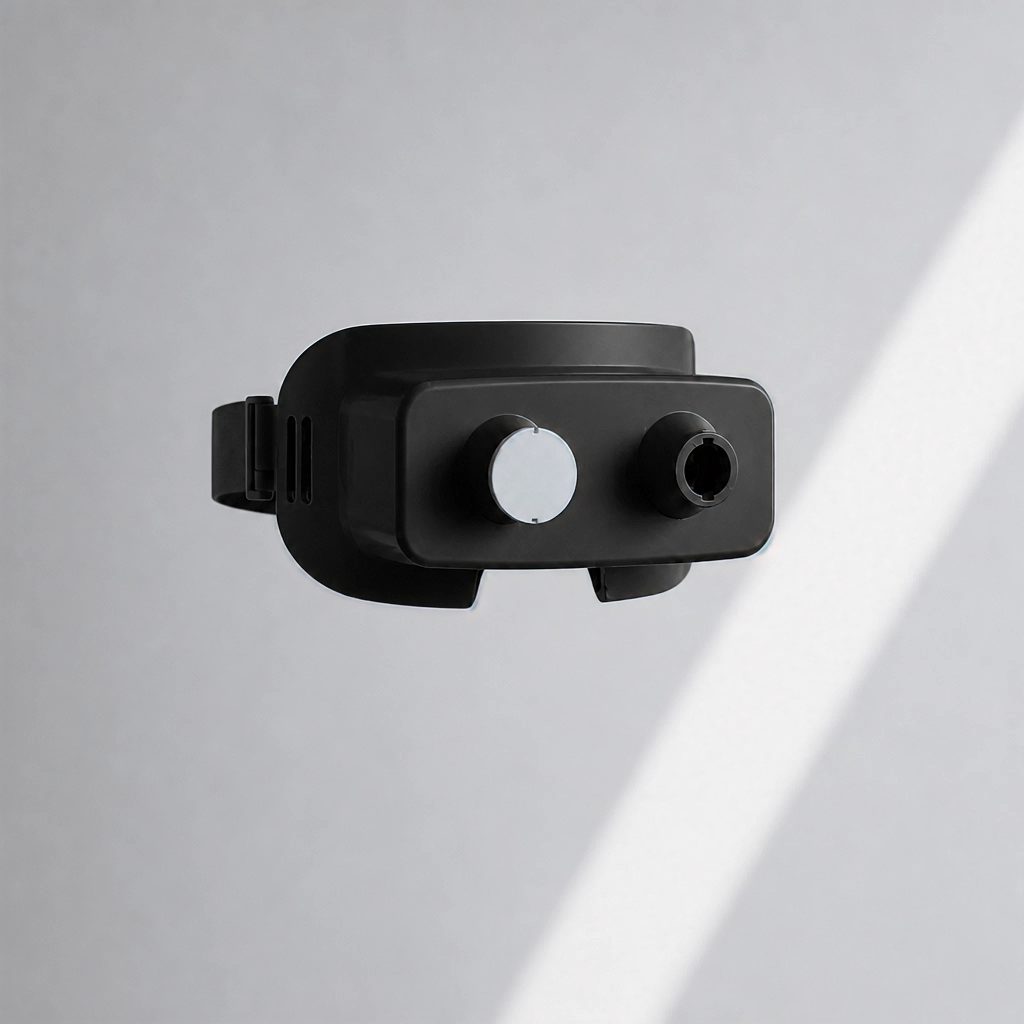
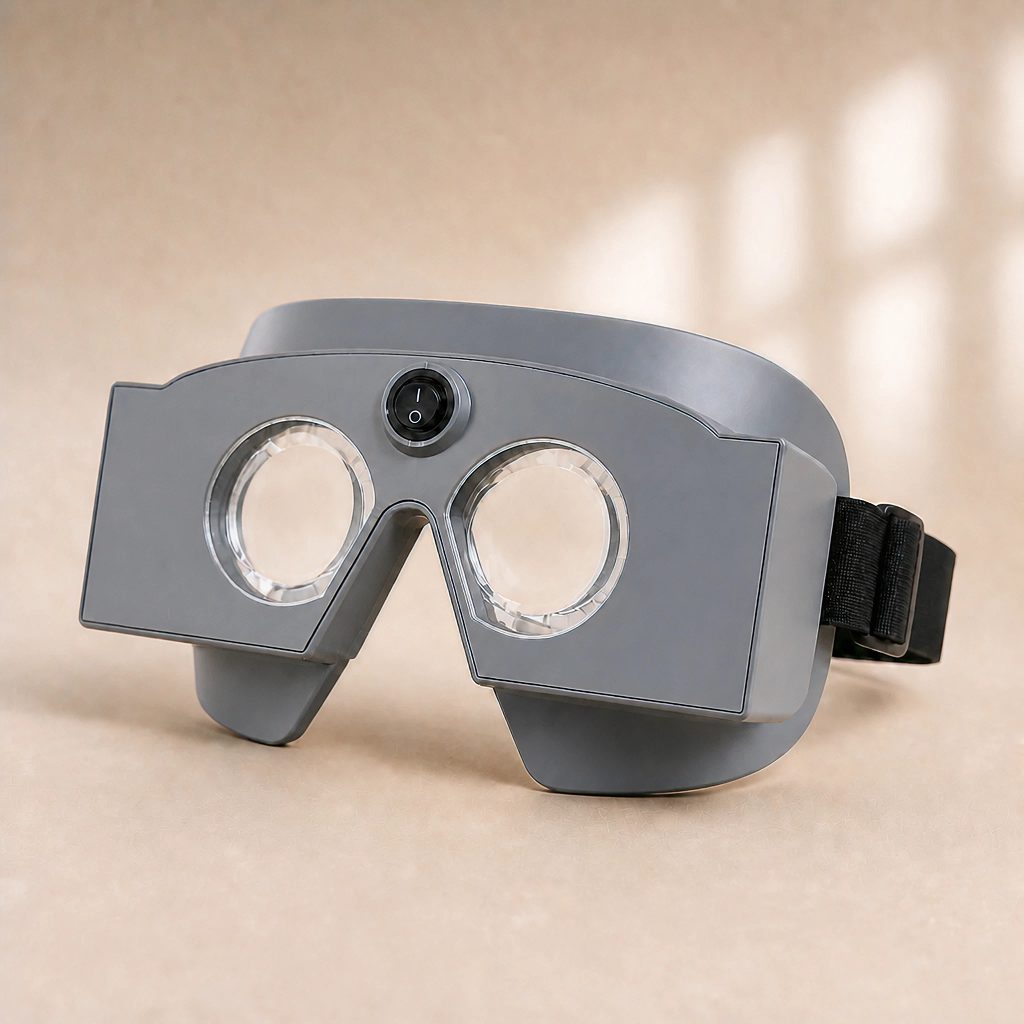
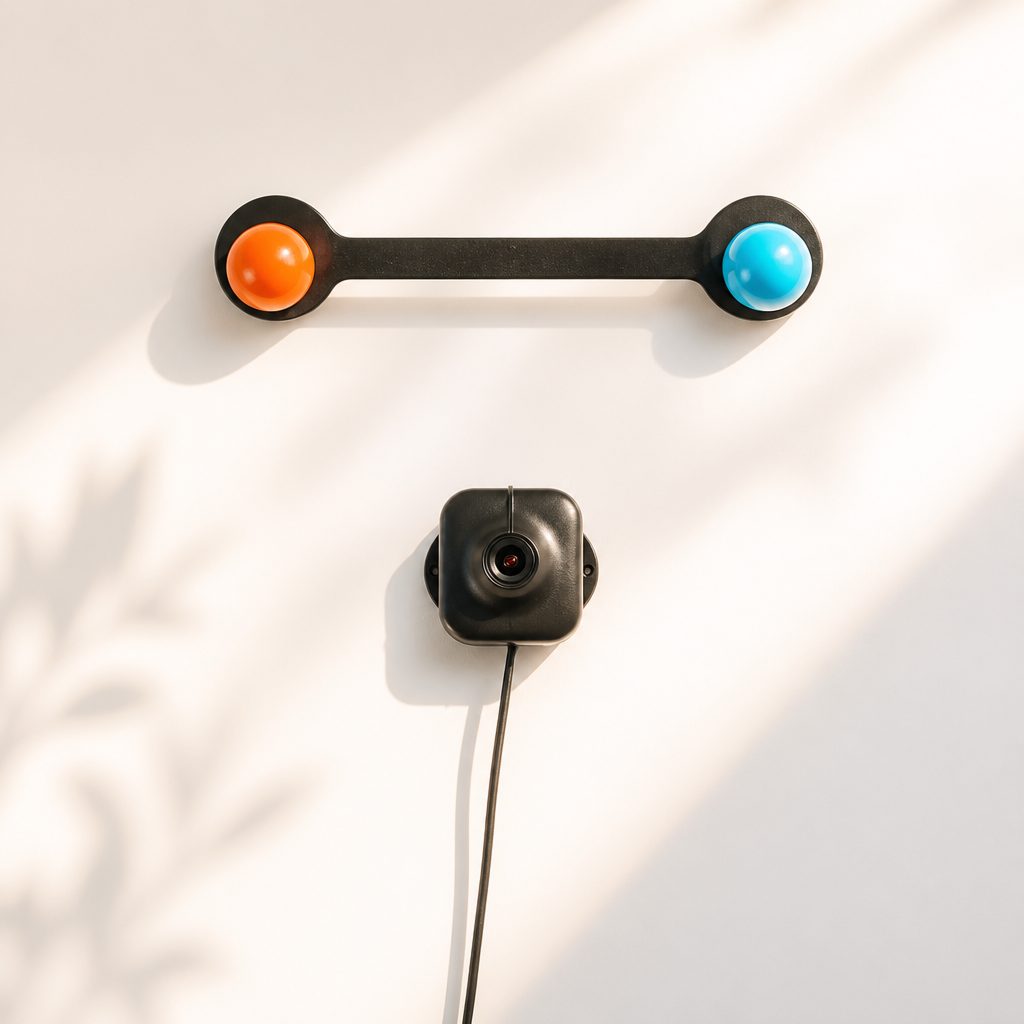
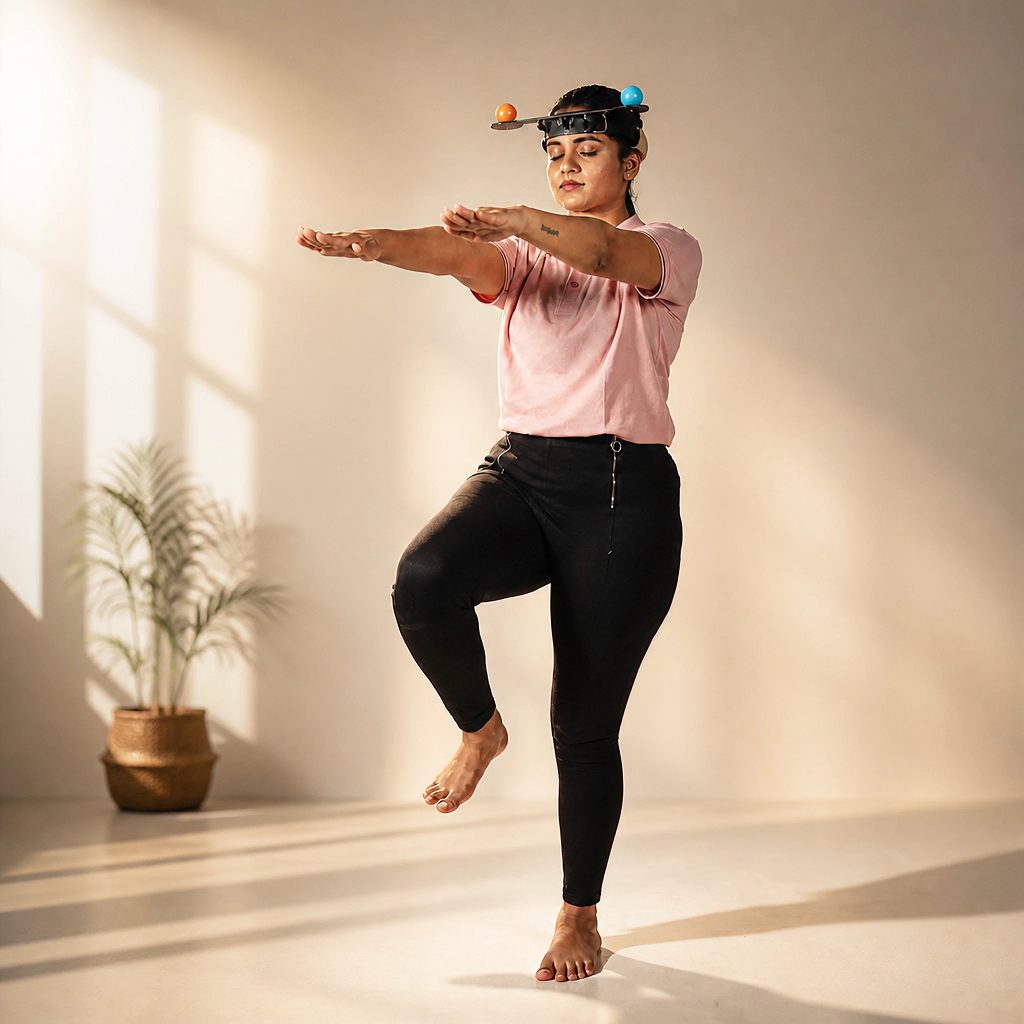
equiCCG™ is an electronics-free, head-tracker based Craniocorpography (CCG) system from Equidor Medtech that delivers objective vestibular and gait assessment without the need for a dark room or any electronics on the patient. A lightweight Passive Optical Headpiece — a headband carrying two colour-differentiated marker spheres — is tracked by a single wide-angle, ceiling-mounted camera in normal room light. The system records the trajectory of a patient’s head during a standardised set of balance and gait tasks, scores results automatically against normative ranges, and produces a structured report with displacement plots, sway traces and video for every trial.
Key Capabilities
- Electronics-free, colour-differentiated Passive Optical head tracker — no batteries, LEDs or wires on the patient
- Wide-angle ceiling-mounted camera tracks head trajectory in real time
- Operates in normal room light — no dark room or specialised illuminator required
- Ten standardised balance and gait test protocols with automatic, colour-coded scoring
- Position, angular deviation and lateral / anteroposterior sway plots colour-marked as normal, borderline or out-of-range
- Video on every trial for clinician review, patient education and case presentations
Hardware Specifications
Test Protocols
Diagnostic Protocols
- Unterberger TestVestibular asymmetry — patient steps in place with eyes closed; a body-axis spin of more than ~45° signals asymmetry.
- Tandem Walking TestDynamic balance during heel-to-toe walking with eyes open; sensitive to cerebellar dysfunction and lower-limb proprioceptive loss.
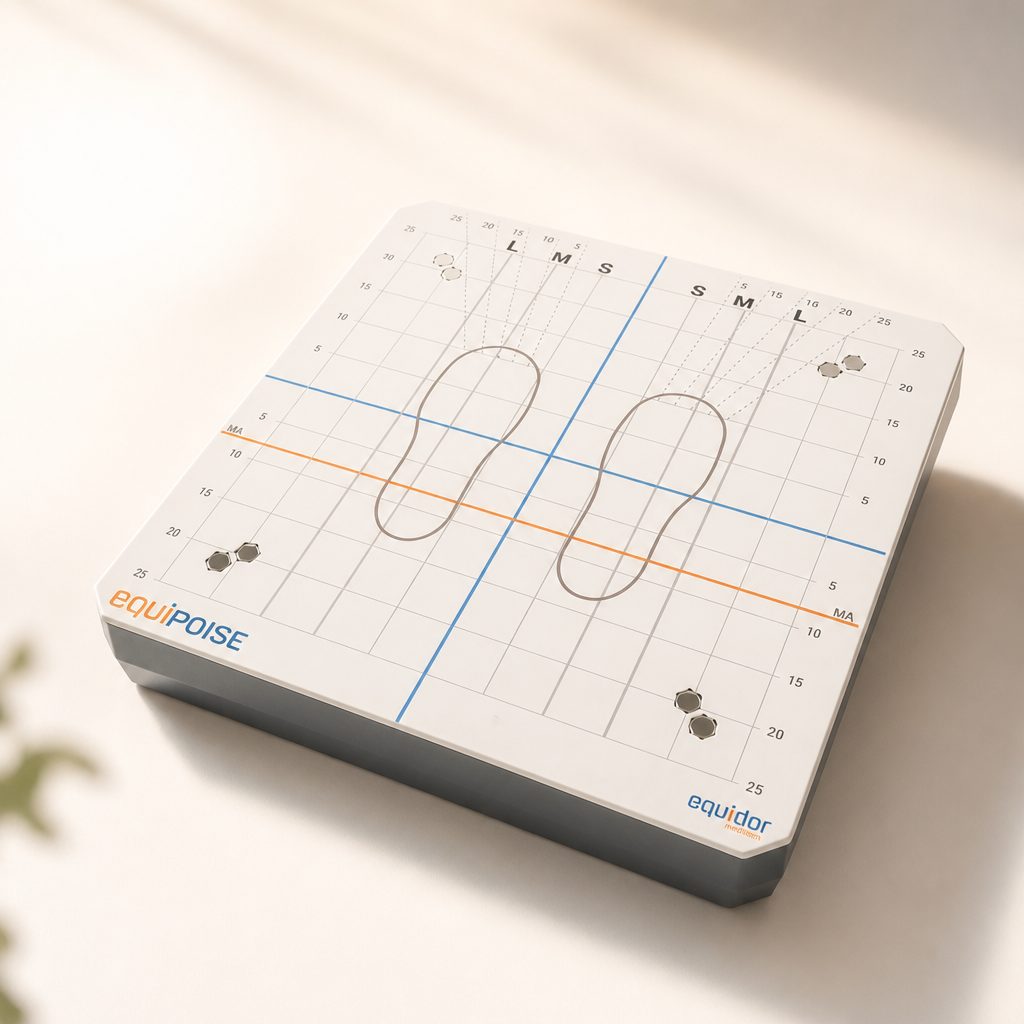
- Romberg TestStatic balance under four sensory conditions (firm/cushioned surface × eyes open/closed); isolates vision vs ankle proprioception.
- WOFEC (Walking on the Floor with Eyes Closed)Tandem walking under sensory restriction; with vision removed, balance depends on intact vestibular and proprioceptive function.
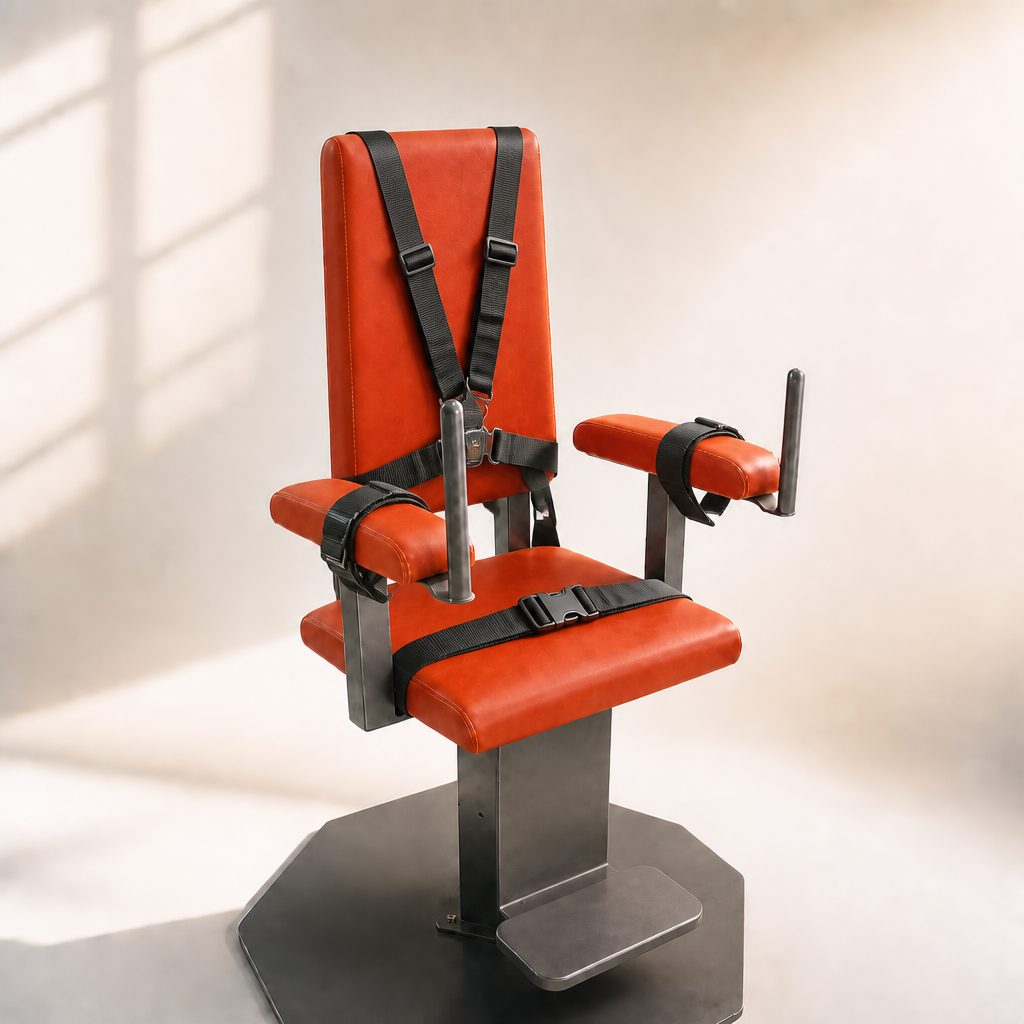
- Retropulsive Pull TestPostural reflex screen for Parkinsonism; three trials so the examiner can see whether the patient adapts or fatigues.
- Sidestepping Test (Rightward & Leftward)Lateral gait control with feet brought together between steps; side asymmetries localise vestibular or motor dysfunction.
- Cross-Legged Sidestepping (Rightward & Leftward)More demanding lateral gait test requiring leg crossover; tests coordination and balance under increased motor complexity.
- Timed Up and Go (TUG)Composite functional-mobility test (stand, walk, turn, return, sit) on an audio cue; latency and total time predict fall risk.
- Three 360° Turns Test (Rightward & Leftward)Patient turns three full circles with eyes closed; overshoot/undershoot vs the true 1080° reveals the side and severity of vestibular asymmetry.
- Backward Walk TestBalance and coordination during backward locomotion — a demanding task that exposes subtle postural deficits.
Highlights
- Turns the classic bedside craniocorpography test into an objective, repeatable measurement that can be tracked across follow-up visits.
- A single tortuosity score quantifies path complexity, giving ataxia a headline number the clinician can compare and chart over time.
- Side-by-side comparison paradigms — eyes open vs. closed, before vs. after — surface deficit patterns that a single recording would miss.
- 360-degree rotation paradigms probe the patient’s internal model of self-motion, exposing vestibular mismatches a static test cannot detect.
- Passive reflective markers mean no wires or electronics on the patient, keeping setup time minimal and the test environment unrestricted.