
Virtual reality. Immersive, gamified rehabilitation for the triggers that matter — heights, optic flow, motion, and gaze stability.

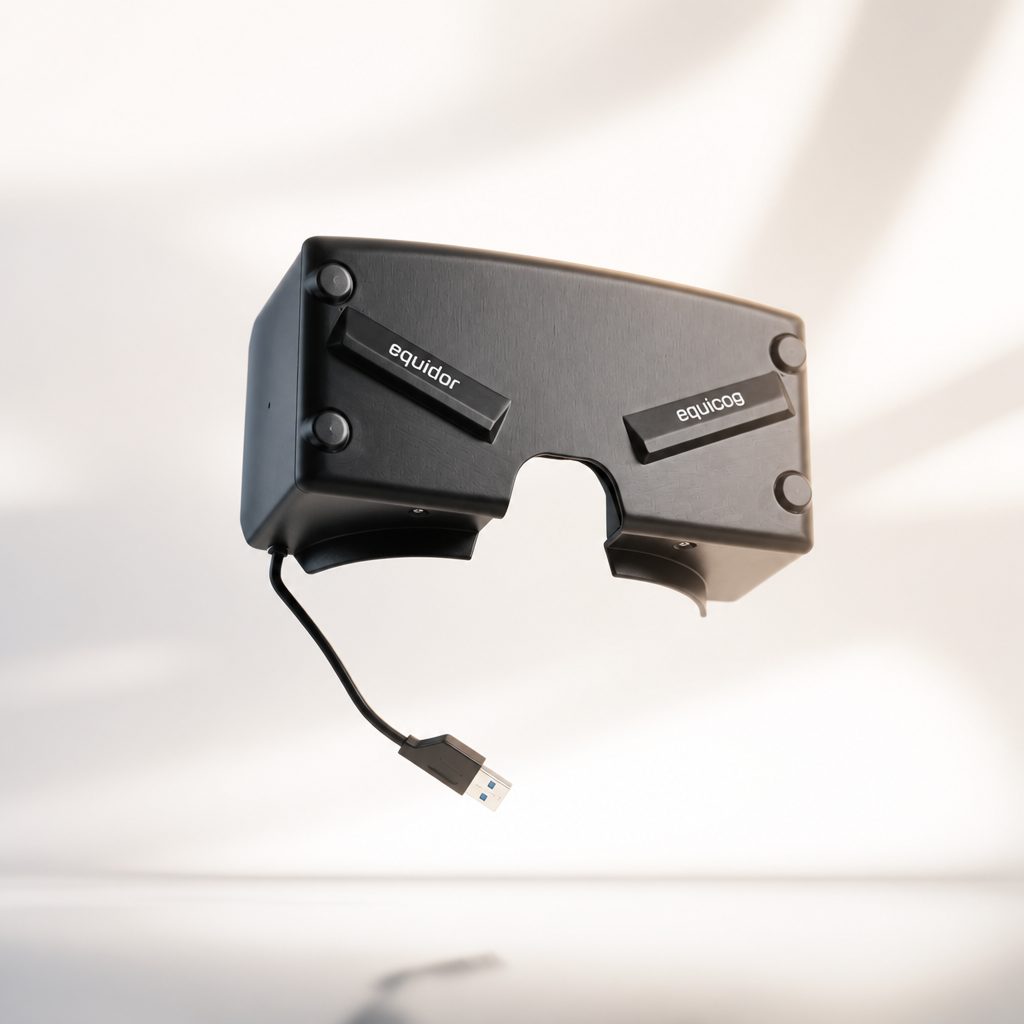
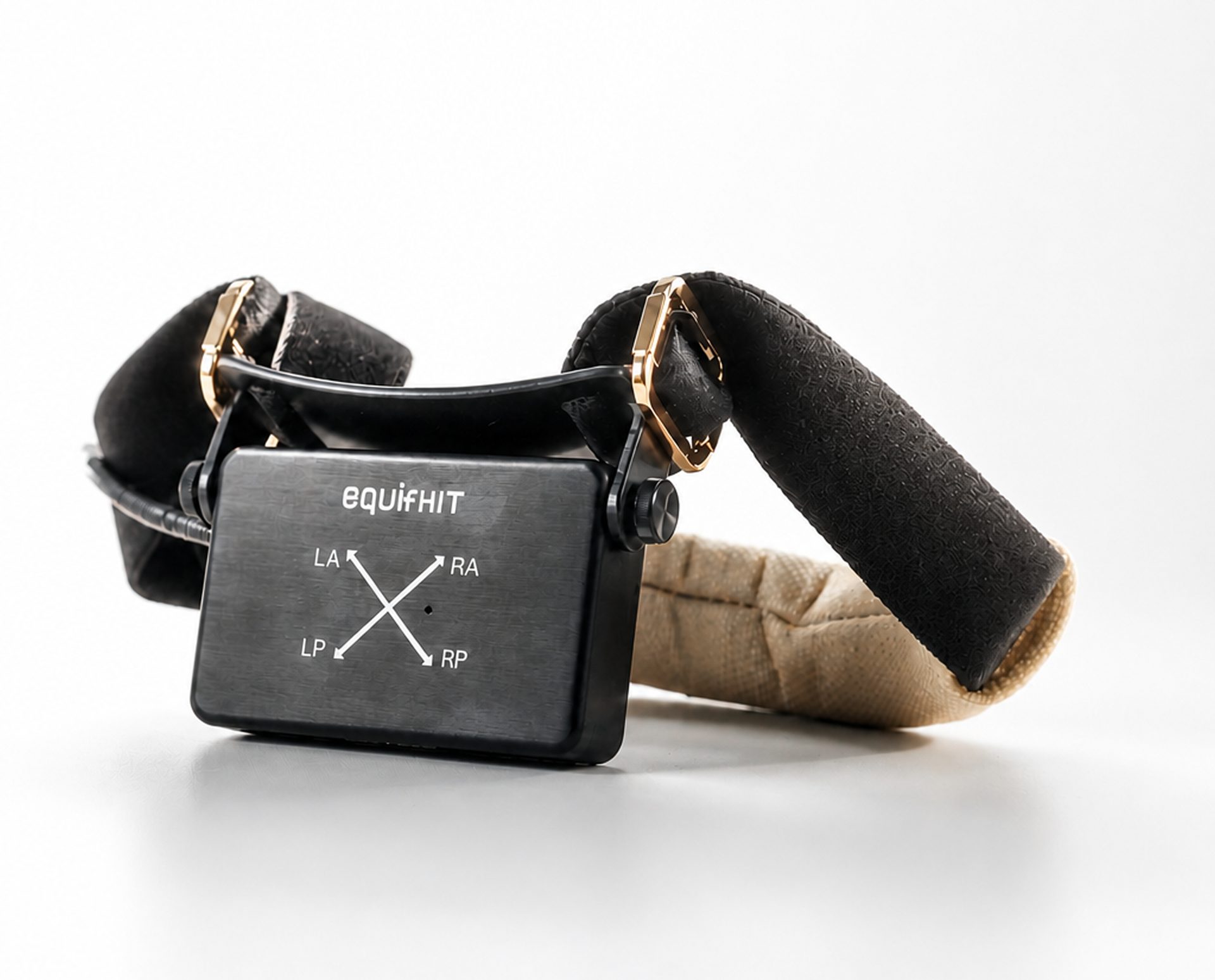
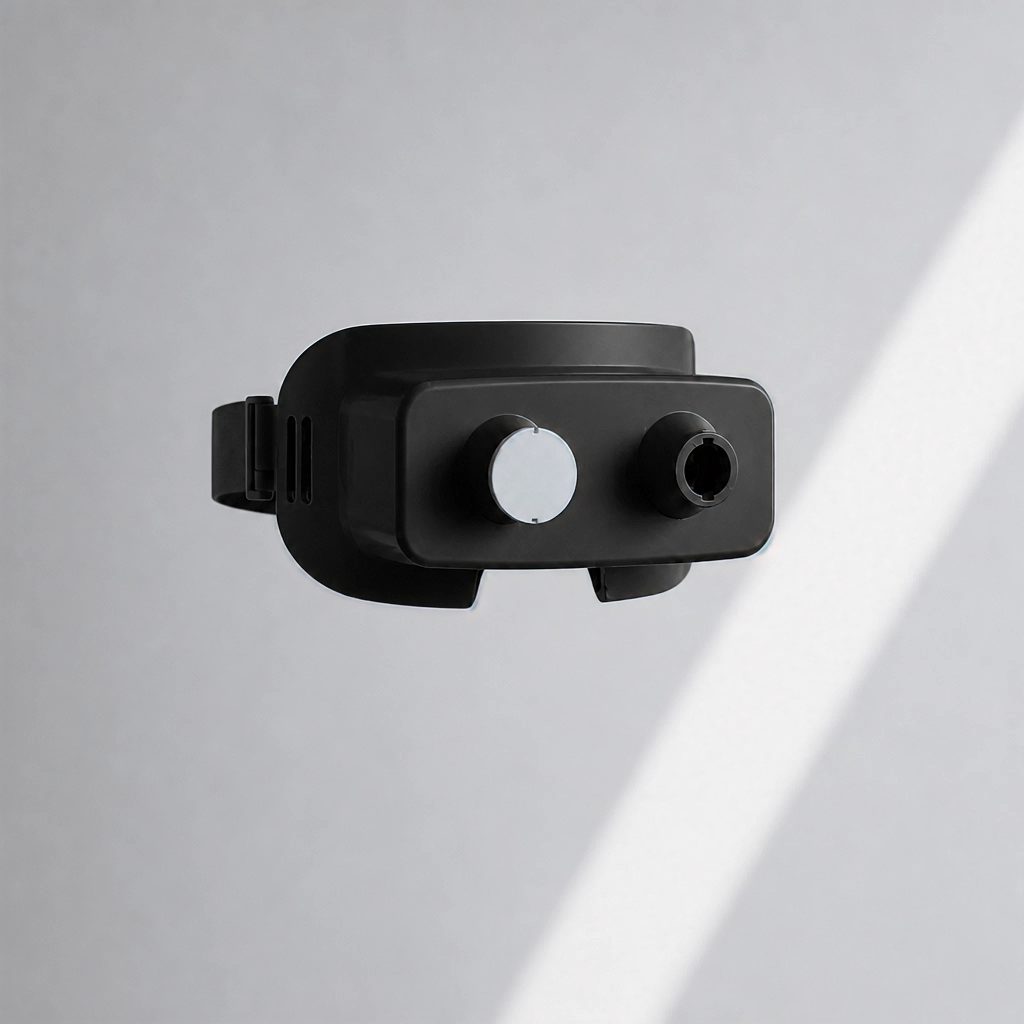
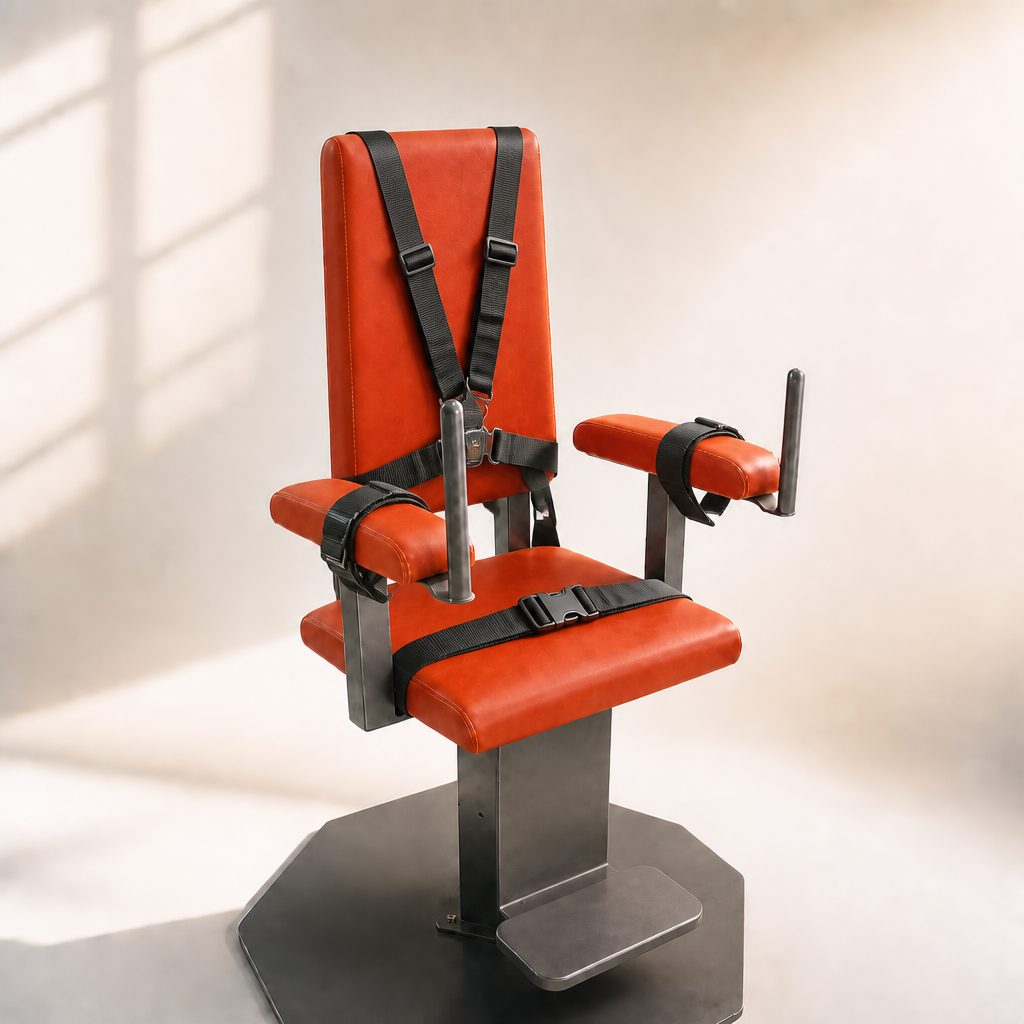
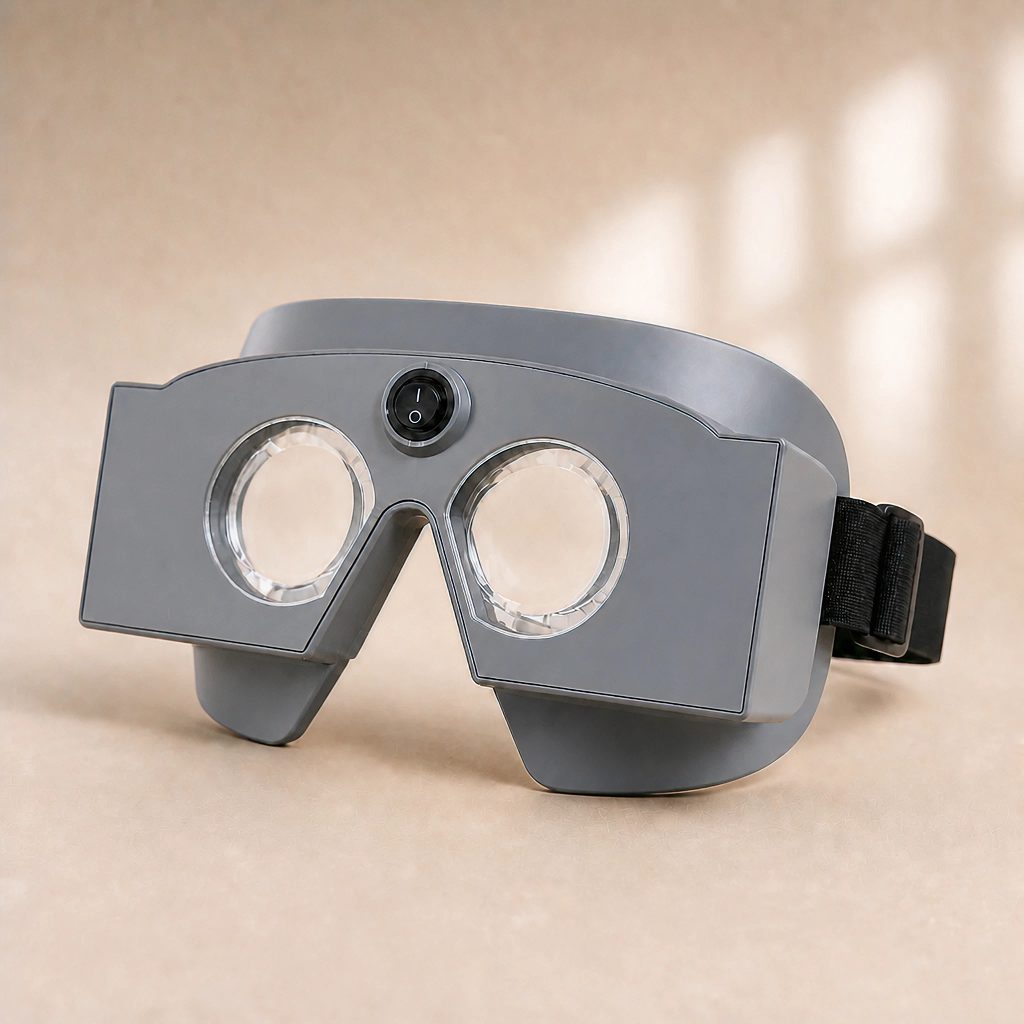
Many of the most disabling triggers in vestibular and balance disorders — heights, complex optic flow, the motion of a moving vehicle — are difficult to reproduce safely and reliably within the four walls of a clinic. equiImmerse uses virtual reality to recreate these provocations in a controlled, gamified, and progressively dosable form, turning rehabilitation into something patients actively want to do. The system is available with or without a dedicated car-riding simulation setup, letting clinics scale capability to their patient population.
The protocol library spans the breadth of vestibular rehabilitation needs. A fear-of-heights module delivers graded altitude exposure for visual height intolerance. Active games set within optokinetic environments make optokinetic desensitisation engaging and progressive rather than tedious. A head soccer game restores neck mobility and coordination through purposeful head movement, while an archery game trains hand–eye coordination and gaze stability. Car ride games address motorist disorientation and motion sickness — among the most disabling and least catered-to complaints in vestibular practice. Together, these protocols give the clinician a rich, scalable toolkit to confront the very triggers that have traditionally been hardest to bring into the rehabilitation room.
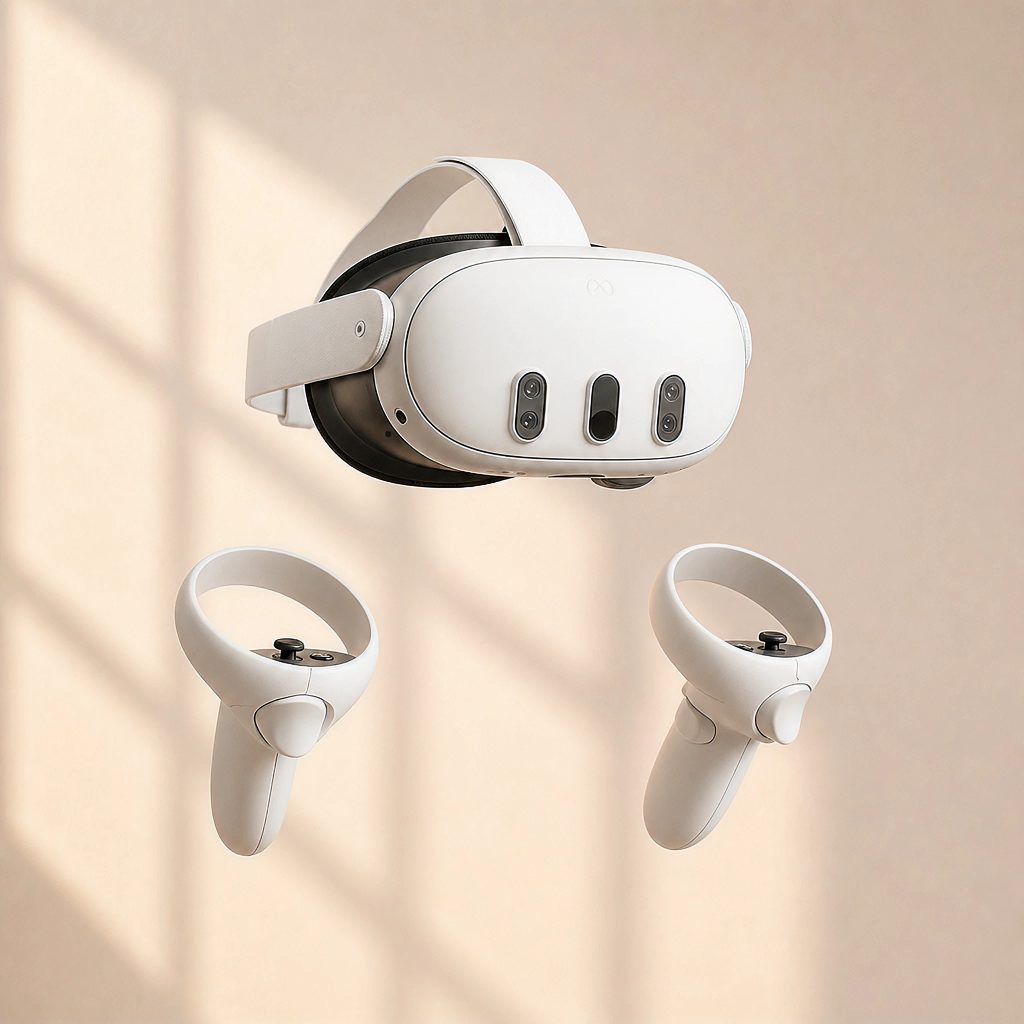
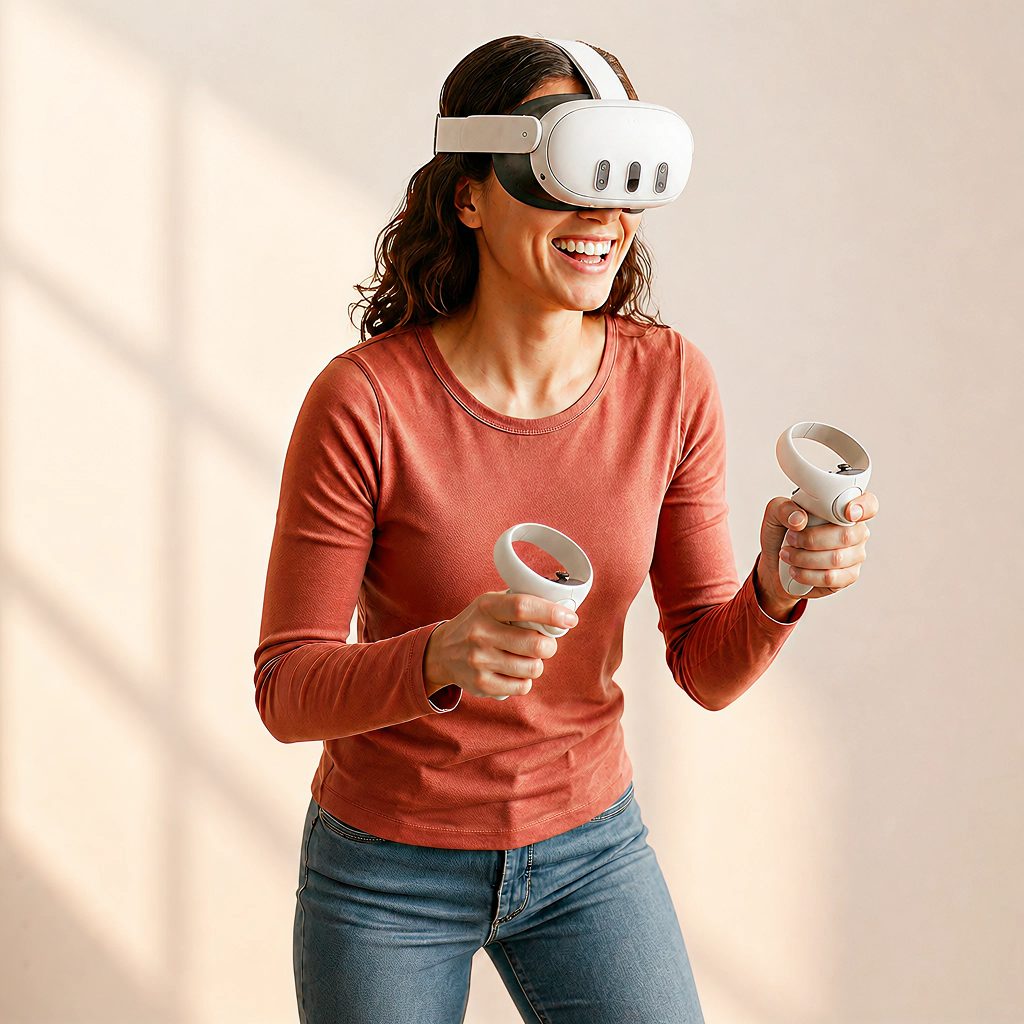
Key Capabilities
- VR-based delivery of provocative environments that are difficult to reproduce safely in clinic
- Gamified, progressively-dosable rehabilitation that drives patient engagement and adherence
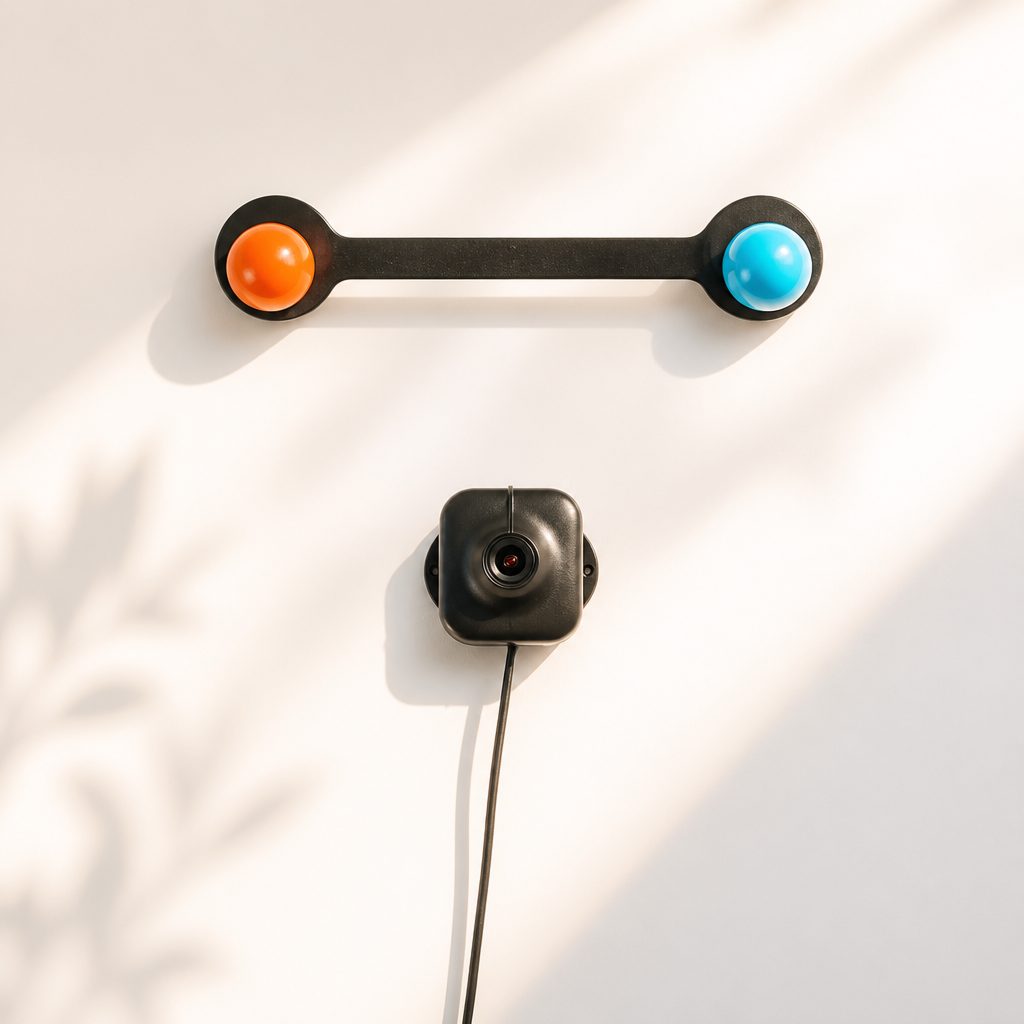
- Modular system — available with or without a dedicated car-riding simulation setup
- Library of protocols covering height intolerance, optokinetic desensitisation, neck mobility, gaze stability and motion-sickness habituation
- Graded exposure design lets the clinician titrate intensity to each patient’s tolerance
- Active gameplay turns traditionally tedious rehab into purposeful, repeatable practice
Hardware Specifications
Therapeutic Protocols
- Airplane PhobiaGraded exposure for fear of flying through cabin-environment immersion.
- Roller CoasterControlled vestibular and optic-flow provocation for desensitisation training.
- Soccer ChallengeActive head movement and gaze stability through dynamic ball-tracking play.
- OKN — Active & PassiveOptokinetic desensitisation in both passive viewing and active engagement modes.
- Car Ride — Steering & ControllerMotorist disorientation and motion-sickness habituation, with steering or controller input.
- ArcheryHand–eye coordination and gaze fixation training through aimed shooting.
- Elevator & EscalatorVertical-motion exposure for height intolerance and lift-related triggers.
- Whack the BearReactive head and limb coordination with reward-driven engagement.
- Walk the PlankHigh-altitude exposure for visual height intolerance and acrophobia.
- Super MarketReal-world visual-complexity exposure for PPPD and visual dependence.
- Escape RoomClaustrophobia training through controlled enclosed-space exposure.
- Mall WalkingDynamic crowd-and-flow training for visually-busy real-world environments.
Highlights
- Recreates the triggers that disable patients in real life — heights, complex optic flow, vehicle motion — inside the clinic, under controlled and dosable exposure.
- Active optokinetic games train figure-ground separation, engaging the patient as a participant rather than relying on passive optic-flow exposure.
- The dedicated car-ride simulator addresses motion-sickness and vehicular vertigo — a patient group most vestibular clinics have no good tool for.
- The fear-of-heights protocol quantifies the trigger on day one and progressively desensitises it across follow-ups, replacing two devices with one.
- Cervico-vestibular and gaze-stability training are delivered as game mechanics, so patient adherence stays high without compromising the underlying paradigm.